Which Isuzu truck body should you choose?
Choose a dropside when quick loading from the sides matters, a fixed high-sided body for bulky loose cargo, a fully enclosed body for security and weather protection, a tanker for a specific liquid system, or a tipper when hydraulic unloading is essential. Then choose a chassis whose GVW, wheelbase, axle layout and powertrain can support the completed body and real cargo.
| Body type | Best suited to | Main advantage | Plan carefully for |
|---|---|---|---|
| Dropside | Crates, bags, hardware, equipment and palletised cargo | Fast loading from the sides and rear | Load restraint, weather cover and theft exposure |
| Fixed high-sided | Produce, bulky goods and light loose cargo | More containment and usable volume | Wind resistance, unloading access and over-height loading |
| Fully enclosed | FMCG, parcels, furniture, electronics and food | Weather and theft protection | Body tare, ventilation, door access and aerodynamics |
| Tanker | Milk, potable water, fuel or other approved liquids | Purpose-built liquid transport | Liquid density, baffling, hygiene, pumps and approvals |
| Tipper | Sand, ballast, soil, aggregate and demolition material | Fast hydraulic unloading | Material density, stability, subframe and hydraulic system |
Every kilogram of body reduces usable payload
Gross vehicle weight is the maximum permitted operating weight of the completed vehicle. The body, subframe, driver, fuel, spare wheel, tools, pump, refrigeration unit, tail lift and other accessories all consume part of that allowance before cargo is loaded.
Confirm the completed vehicle on a certified weighbridge; a chassis brochure cannot tell you the final payload of a body that has not yet been built.
Weight distribution matters too. A vehicle can remain below total GVW and still overload an axle if the tank, body, crane or cargo is positioned badly. Ask the bodybuilder for estimated completed tare, axle-load calculations, centre-of-gravity considerations and the mounting method—not just an overall price.
Dropside bodies: flexible loading for general cargo
Dropside panels hinge downward so forklifts and loaders can reach cargo from the side. A low dropside works well for dense or mechanically loaded items that do not need tall containment. A double-dropside design provides multiple opening sections along a longer platform, reducing manual handling and unloading time.
Ideal businesses: hardware stores, agricultural suppliers, beverage distributors, furniture movers, contractors, machinery suppliers and general transporters.
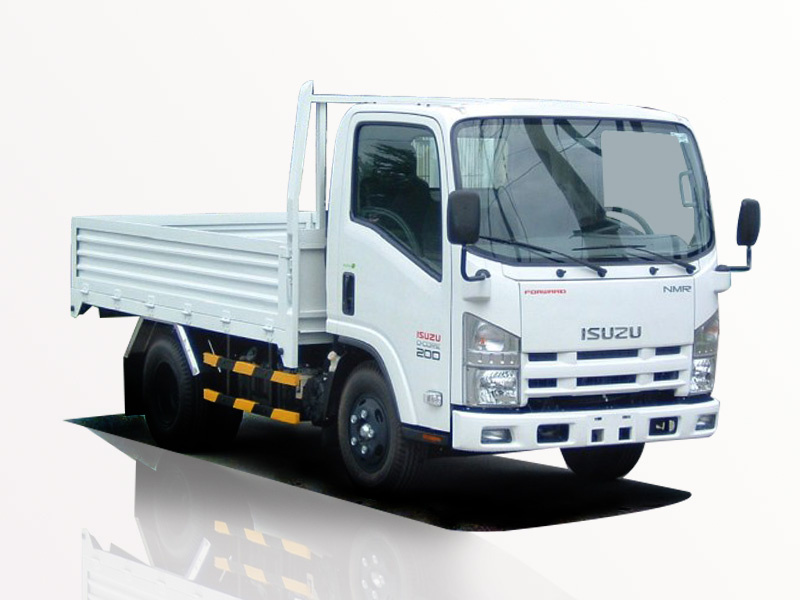
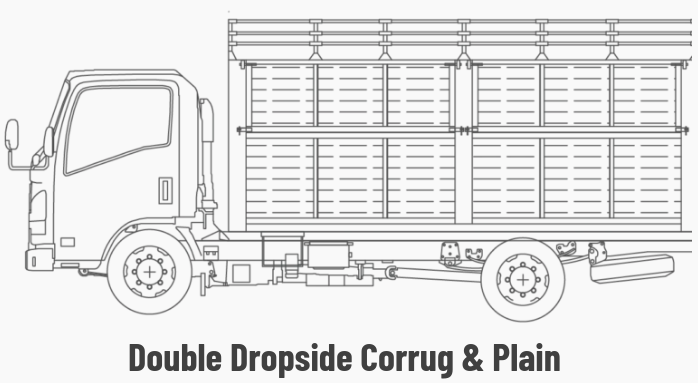
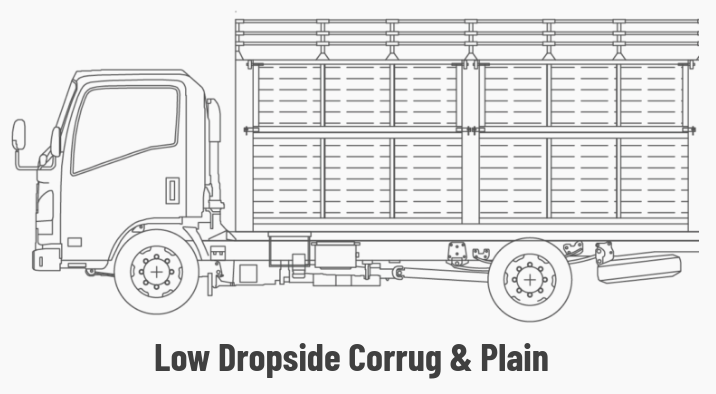
Specify floor material, tie-down points, removable posts, panel height, rear access, tarpaulin provision and how forklifts will approach. Cargo must still be restrained; opening panels are not a substitute for a load-securing plan.
Fixed high-sided bodies: more volume and containment
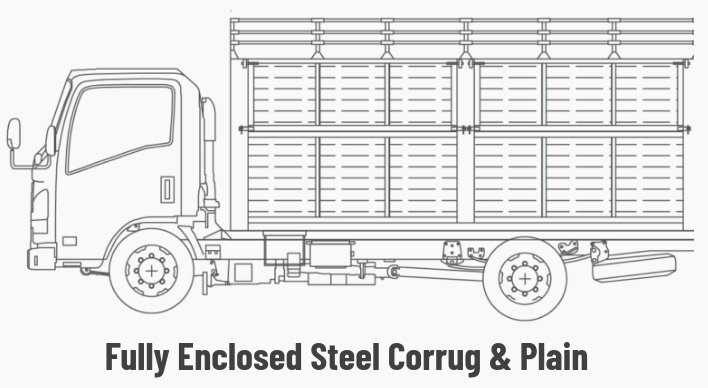
A high-sided body contains bulky goods that would sit above a low dropside, including farm produce, sacks, packaging and other relatively light cargo. The extra volume can be useful, but volume is not payload: dense goods can exceed legal weight long before the body looks full.
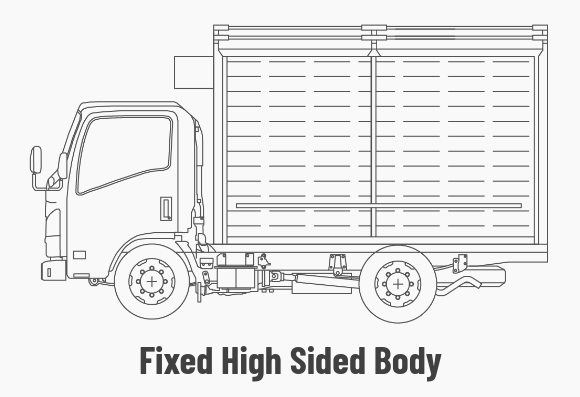
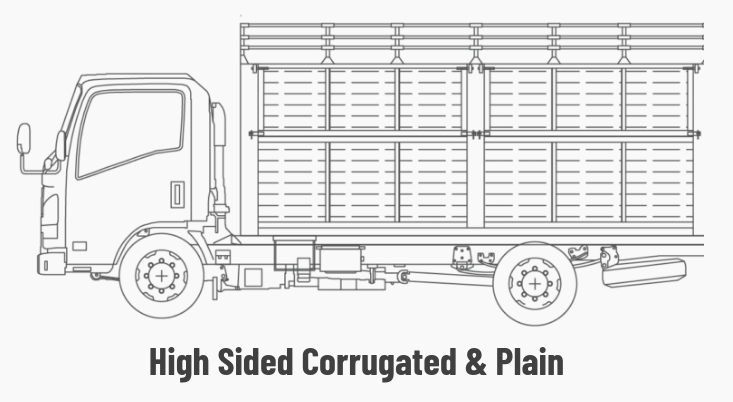
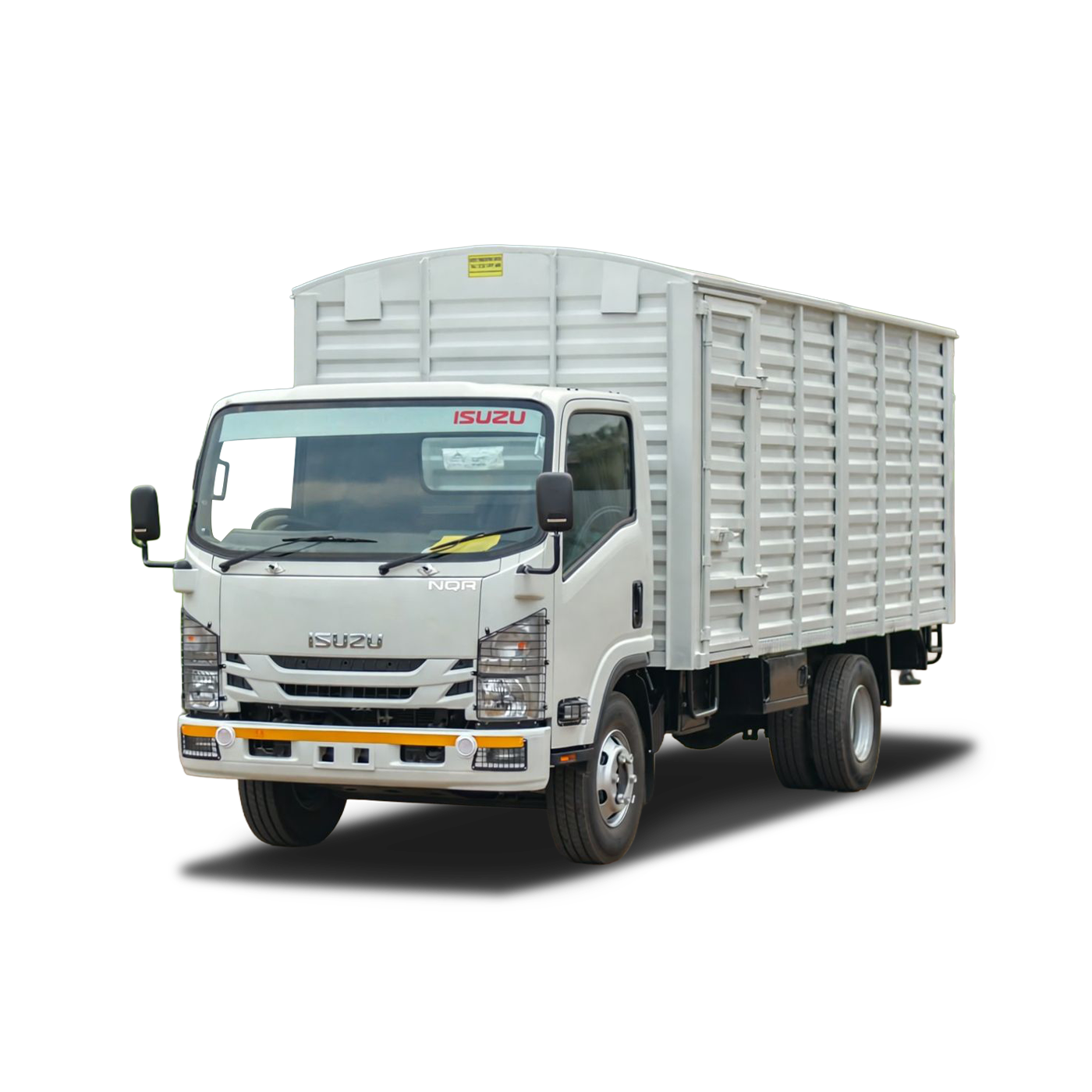
Ask how the body affects crosswinds, fuel use, loading height and access to cargo at the front. If operators routinely climb into the body, include safe access steps and working procedures.
Fully enclosed bodies: security and weather protection
Enclosed bodies protect cartons, furniture, electronics, food, parcels and retail inventory from rain, dust and opportunistic theft. The trade-off is a heavier structure and more aerodynamic drag, especially when the box is tall or wider than the cab.
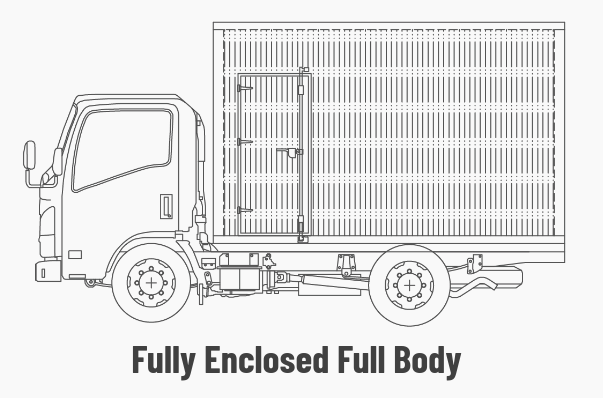
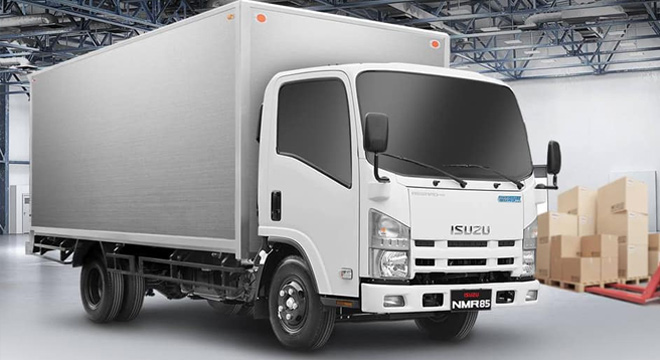
Specify rear and side doors, locks, seals, interior lighting, ventilation, lining, shelving, floor rating and loading equipment. Refrigerated cargo needs an insulated reefer body and power unit; that additional weight and energy demand must be included in the chassis and operating-cost calculation.
Tankers: design around the liquid, not tank volume alone
Isuzu East Africa lists fuel, milk, mild-steel water and stainless-steel water tankers across suitable N- and F-Series chassis. Each liquid has different density, hygiene, corrosion, pumping and regulatory requirements. A “5,000-litre tank” does not automatically mean a truck may legally carry 5,000 litres.
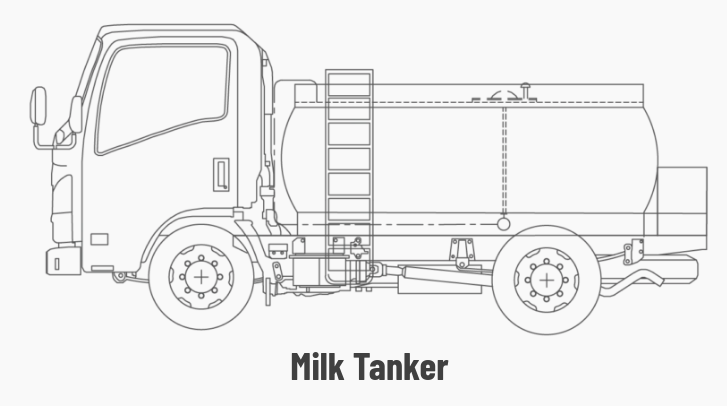
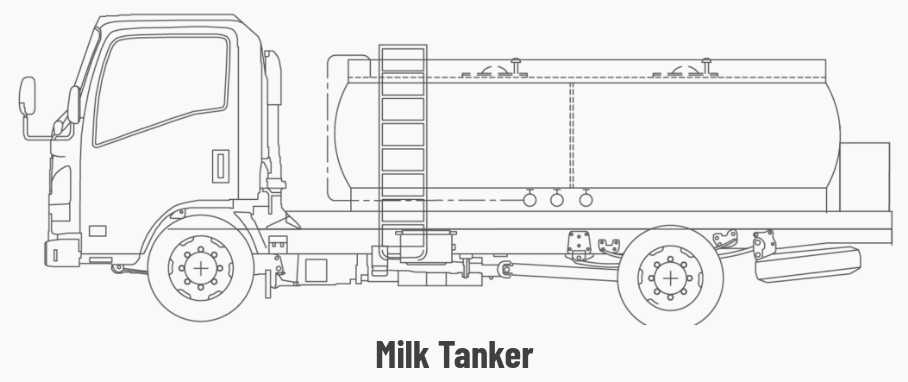
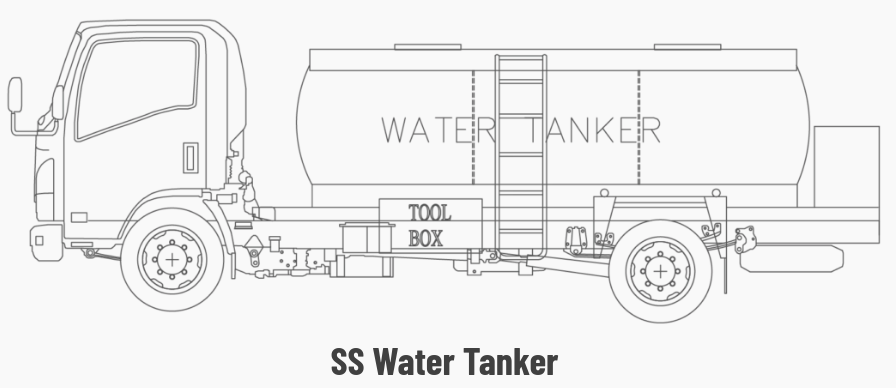
Confirm tank material, compartments and baffles, cleaning access, hoses, pump or PTO, meter, overflow control, mounting, spill equipment and the approvals relevant to the liquid and operation. Part-filled tanks can create dynamic load movement, so proper design is essential.
Tippers: fast unloading for dense bulk material
A tipper uses a hydraulic hoist to discharge sand, aggregate, soil or other bulk material. It needs a suitable chassis, reinforced subframe, hydraulic system, stable hinge and body geometry. Isuzu lists a tipper application on the 8,000 kg-GVW NQR81K and offers a dedicated 26,000 kg-GVW FVZ34N tipper chassis for substantially heavier work.
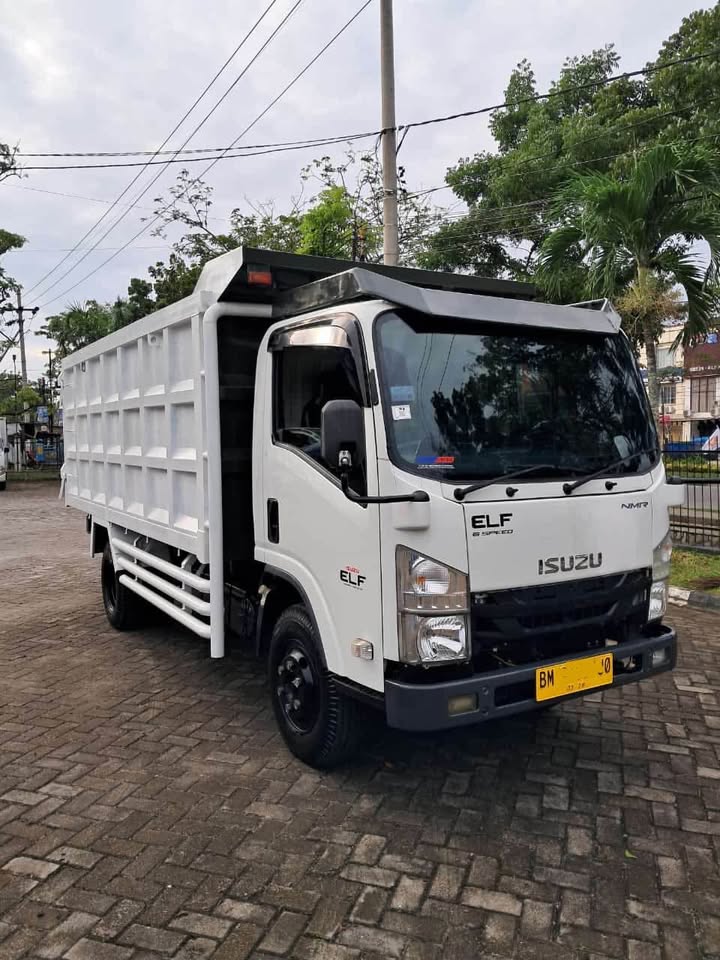
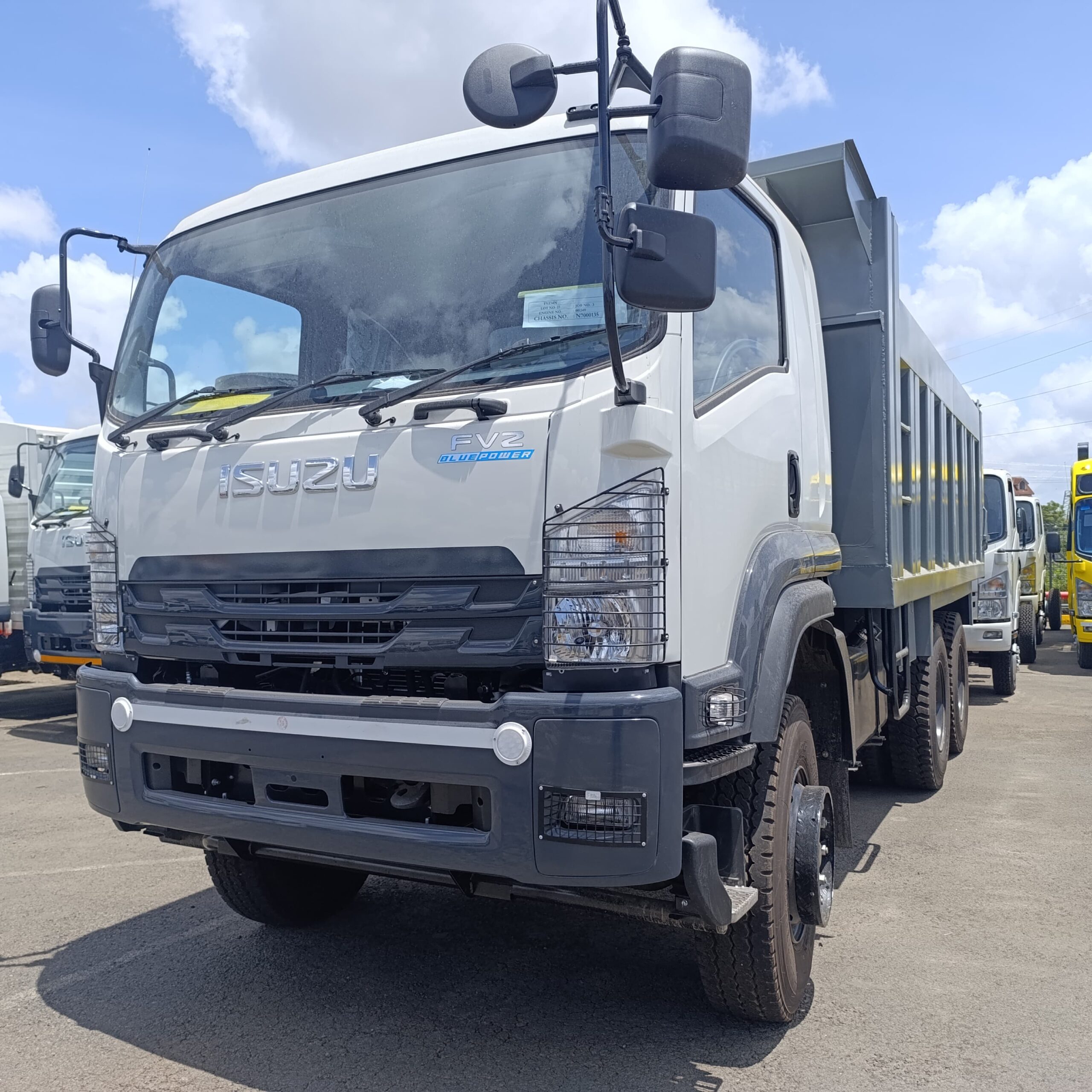
Tipping must take place on stable, level ground with adequate overhead clearance. Discuss material density, side-wall height, floor thickness, tailgate, hydraulic cycle, PTO compatibility and site conditions with both chassis supplier and bodybuilder.
Specialised equipment beyond the five common bodies
Isuzu East Africa also identifies cranes, reefer bodies, transit mixers and skip loaders among truck-mounted specialised equipment. Tail lifts, service bodies, waste equipment and other installations can also change tare, axle loading, electrical demand and maintenance needs.
Hydraulic pumps, PTOs, control valves, cylinders, hoses, oil tanks and filters become part of the vehicle's uptime plan. Define who will supply, commission, warrant and service each system—and whether the chassis supplier has approved the installation—before the build starts.
Matching common bodies to the Isuzu chassis range
The following is a selection guide, not a substitute for body-specific engineering:
NLR77E · 4,100 kg GVW
Official applications include fixed high-sided, fully enclosed and milk tanker. Best considered for genuinely light work and compact access.
NMR85H · 5,500 kg GVW
Adds double and low dropsides to high-sided, enclosed and milk-tanker choices—a versatile step up for SME distribution.
NQR81K · 8,000 kg GVW
Official applications expand to fuel, milk and water tankers plus tipper, enclosed and dropside cargo bodies.
FRR and FVR · 11,000–18,000 kg GVW
Suitable variants support larger cargo bodies, tankers and demanding applications; some FVR variants list tipper and sand-harvester bodies.
FVZ34T cargo · 26,000 kg GVW
A 6×4 cargo chassis for larger dropside, high-sided, enclosed and tanker applications.
FVZ34N tipper · 26,000 kg GVW
A dedicated 6×4 tipper chassis for heavy construction and bulk-material duty.
Start with our NLR77E vs NMR85H vs NQR81K guide for the light-duty range, then review the full Isuzu truck lineup. If financing is part of the purchase, make sure the approved quotation includes the body and equipment by reading our commercial-vehicle finance guide.
15 questions to ask a truck bodybuilder
- What completed body tare do you estimate, and what assumptions support it?
- What usable payload remains after body, equipment, fuel, driver and accessories?
- How will the design distribute weight across the front and rear axles?
- Is the proposed body and mounting method approved for this exact chassis?
- Which structural materials, thicknesses and corrosion treatments will be used?
- What are the internal and external dimensions?
- How will cargo be loaded, restrained, accessed and unloaded safely?
- Which doors, locks, hinges, seals, steps and tie-downs are included?
- Which pump, PTO, hydraulic, electrical or refrigeration components are included?
- Which drawings and itemised specifications will form part of the contract?
- What inspections, tests, certifications or approvals are required?
- Who handles registration details for the completed body type?
- What warranty covers the structure, paint and mounted equipment?
- Who provides service and spare parts for specialised components?
- What is the delivery timeline, payment schedule and defect-correction process?
Frequently asked questions
Which Isuzu truck body is best for general cargo?
A dropside suits cargo needing fast side loading, a fixed high-sided body contains bulky goods, and an enclosed body gives better weather and theft protection. Match the choice to cargo, loading method and completed body weight.
Does the truck body reduce payload?
Yes. Usable payload is registered GVW minus completed operating tare, including body, equipment, fuel, driver and accessories. A heavier body leaves less legal capacity for cargo.
Can an Isuzu NQR81K be fitted with a tipper or tanker?
Isuzu East Africa lists tipper, fuel tanker, milk tanker and water tanker applications for the NQR81K. Final design must account for body tare, cargo density, axle loading and approved installation.
Should I choose the truck before the body?
Define the cargo, body, route and loading method first, then select a chassis that can carry the completed body and cargo safely. Choosing a chassis first can create an overweight or inefficient vehicle.
Describe the cargo—not just the truck you think you need.
Paul Karanja can help translate your load, route and business into an Isuzu chassis and body quotation.
Official sources and image note
Kenya-market body applications checked on 17 August 2026 against Isuzu East Africa's NLR77E, NMR85H, NQR81K, FRR90N, FVR90L, FVZ34T cargo, FVZ34N tipper and specialised equipment pages.
Application images illustrate body types; exact body construction and non-Kenya vehicle details can differ. Confirm the current chassis, approved body design and completed weight before ordering.